Krafty Page ChronicleS • Issue 3 • July — Become • Stage IV: Flight
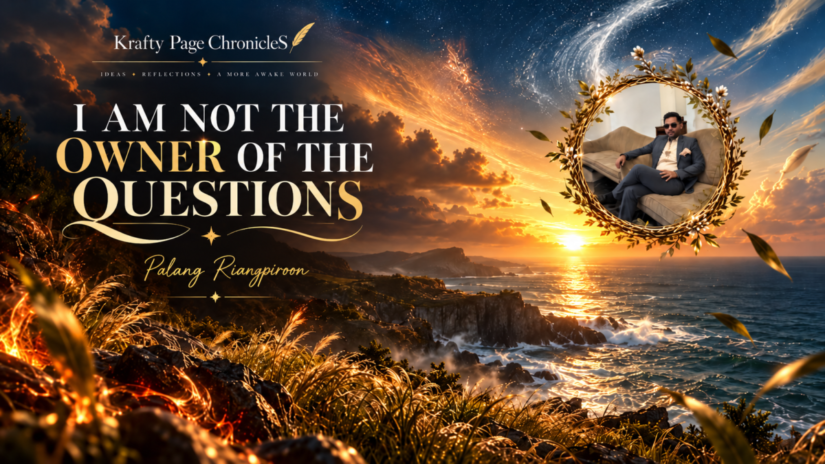
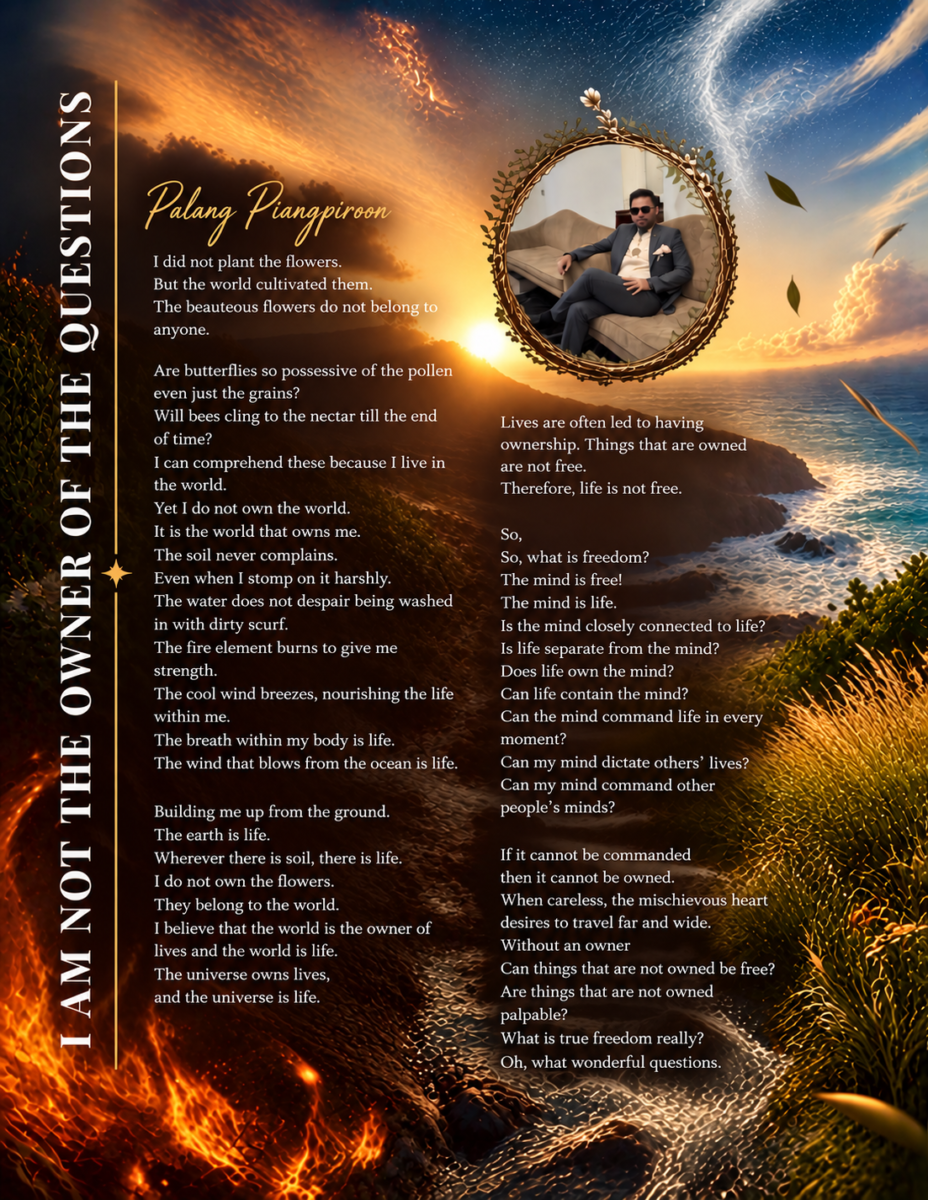
An editorial reflection on Palang Piangpiroon’s I Am Not the Owner of the Questions.
Reflection by Nelly Vee
HOLD
RELEASE
Featured Work
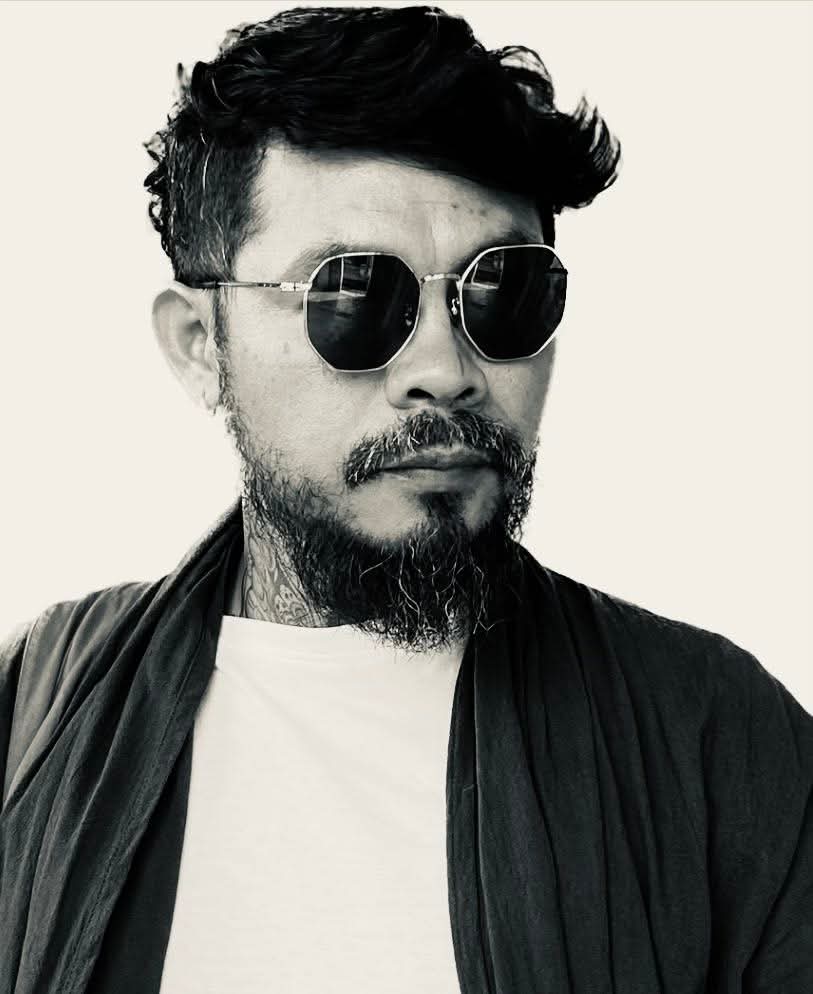
Poet • Writer • Visual Artist
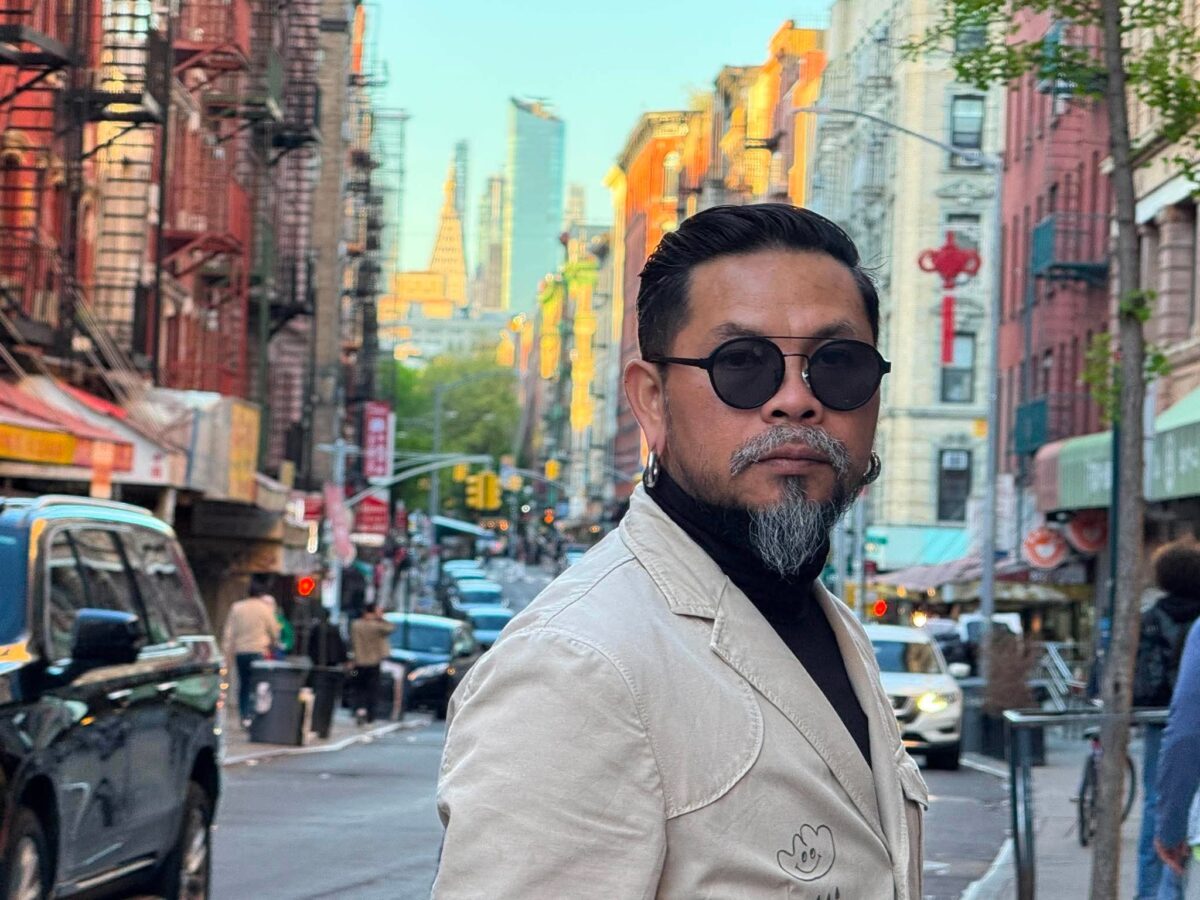
Palang Piangpiroon
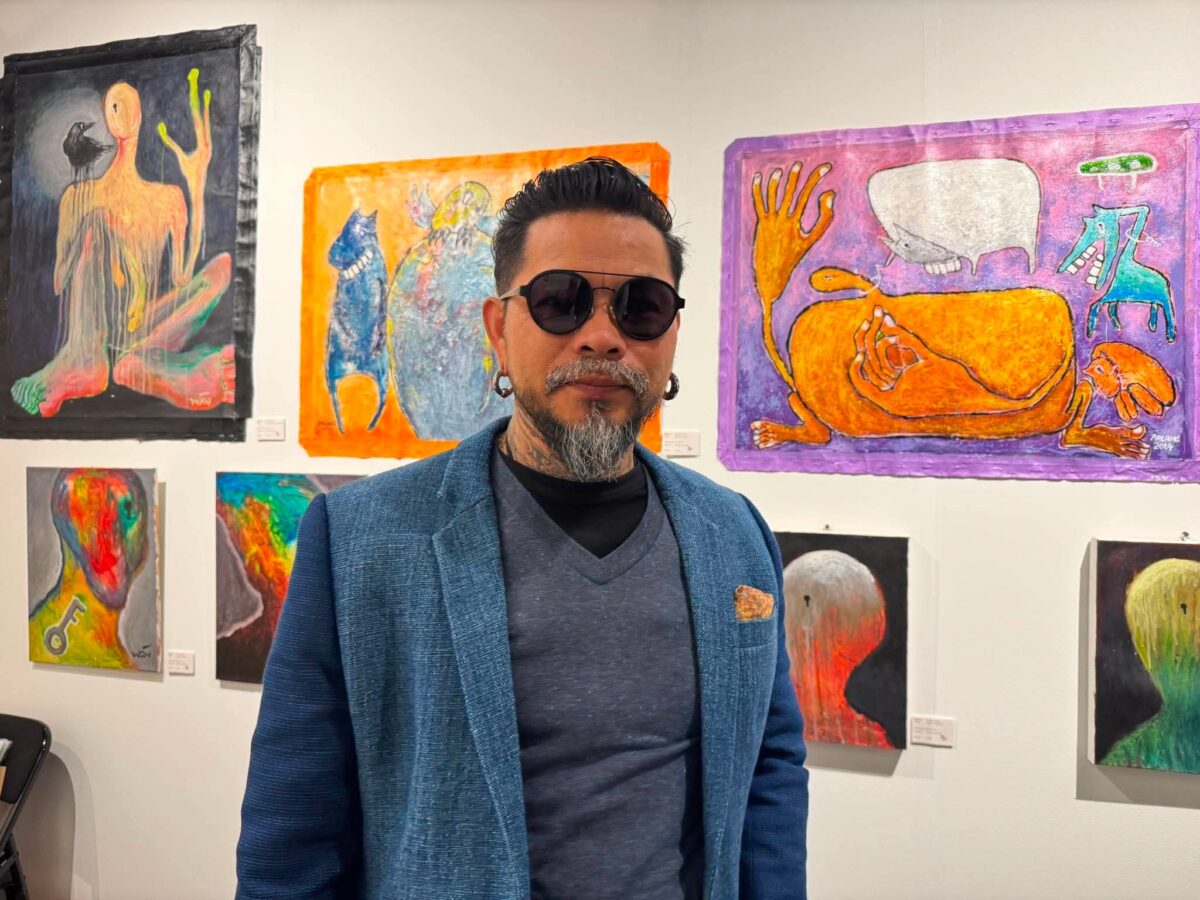
Palang Piangpiroon, also known professionally as Palang Palamart, is a Thai poet, writer, and visual artist whose work spans poetry, fiction, essays, drawing, sculpture, and digital art. He received Thailand’s 2016 S.E.A. Write Award for poetry and has continued to develop a multidisciplinary creative practice.
Biographical context: Ca’ Foscari University of Venice and The S.E.A. Write Award.
01 • Possession
What Do We Really Own?
Most of us move through life using the language of ownership without thinking much about it. My house. My job. My child. My idea. My time. My future. Sometimes that language is practical. Sometimes it gives us stability. But Palang Piangpiroon’s poem interrupts that habit and asks a more uncomfortable question: how much of what we call ours was ever truly ours to possess?
The poem begins with flowers, soil, wind, water, and the body, but it does not stay in nature for long. Those images become a doorway into larger questions about freedom, responsibility, the mind, and the limits of control. One brief line—“I do not own the flowers.”—can sound simple until we apply the idea to our own lives.
What if ownership is sometimes less about possession and more about stewardship?
02 • Attachment
The Things We Cannot Keep
That question becomes relatable very quickly. Parents raise children they cannot control forever. Creators release work that readers may understand differently than intended. Relationships change. Careers end. Homes are sold. Bodies age. People we love leave us, sometimes through distance and sometimes through death. Even our strongest plans have to negotiate with circumstances we did not choose.
This does not mean attachment is meaningless. It means attachment and ownership are not the same thing. We can care deeply for something without pretending we can freeze it in place. We can be responsible for people, places, ideas, and opportunities without believing they exist solely for our control.
03 • Freedom
Freedom Is More Complicated Than Doing Whatever We Want
The poem eventually arrives at a direct question: “What is true freedom really?” That question matters because freedom is often reduced to choice. If I can choose, I am free. If nobody can tell me what to do, I am free. But choice alone does not settle the matter.
A person can have options and still be ruled by fear, resentment, status, money, approval, or old wounds. Another person can face real limitations and still develop an inner life that refuses to be completely owned by those limitations. Palang’s questions point toward that tension: freedom may involve what happens around us, but it also involves the relationship we have with our own mind.
That does not make external injustice or material hardship unimportant. It simply reminds us that freedom has both outer and inner dimensions. Circumstances matter. So does consciousness.
04 • Consciousness
Why the Questions Matter More Than Easy Answers
There is something refreshing about a poem that does not pretend to solve everything it raises. Palang’s broader creative practice also reflects this interest in consciousness, attachment, impermanence, and release. In 2025, Thailand’s Office of Contemporary Art and Culture described the exhibition Primordial Consciousness, which included Palang’s work, as exploring movement from attachment toward freedom through Eastern philosophical and Buddhist ideas.
That context helps explain why the poem feels less like an argument and more like a meditation. The questions are not weaknesses waiting to be corrected. They are the method. They ask the reader to notice how quickly we turn life into property, identity into possession, and love into control.
Reflection Prompt
A Question for the Reader
Think about one thing you regularly call “mine.” It could be your time, your reputation, your relationship, your creative work, your role in a family, or the future you have imagined for yourself. What changes when you stop asking, “How do I keep control of this?” and instead ask, “How do I care for this well while it is in my hands?”
That shift does not require us to stop planning, protecting, or building. It asks us to hold what matters without confusing love with ownership. Perhaps that is where Palang’s poem becomes most relatable: not in giving us an answer, but in giving us a better question.
Issue 3 Connection
This reflection belongs in Stage IV: Flight because its central concern is freedom—not simply escape, but the difficult work of understanding what we can carry, what we must release, and what becoming asks us to stop trying to own.
Share this:
- Share on Facebook (Opens in new window) Facebook
- Share on X (Opens in new window) X
- Share on LinkedIn (Opens in new window) LinkedIn
- Share on Pinterest (Opens in new window) Pinterest
- More
- Share on Reddit (Opens in new window) Reddit
- Share on X (Opens in new window) X
- Share on Tumblr (Opens in new window) Tumblr
- Share on Threads (Opens in new window) Threads
- Share on Telegram (Opens in new window) Telegram
- Share on WhatsApp (Opens in new window) WhatsApp
- Print (Opens in new window) Print
- Email a link to a friend (Opens in new window) Email
- Share on Mastodon (Opens in new window) Mastodon
- Share on Nextdoor (Opens in new window) Nextdoor
- Share on Bluesky (Opens in new window) Bluesky
Discover more from KVI Network
Subscribe to get the latest posts sent to your email.