Caribbean Kitchen • Culture & Heritage
Tortola, BVI: Food, Memory and the Culture of Home
Caribbean food is often discussed as though the entire region cooks from one recipe book. It does not. Every island carries its own history, rhythms, ingredients, family habits and ways of turning what is available into something worth remembering. Tortola, the largest island in the British Virgin Islands, has its own culinary identity—shaped by the sea, farming, resourcefulness, African-Caribbean heritage and generations of Virgin Islanders.
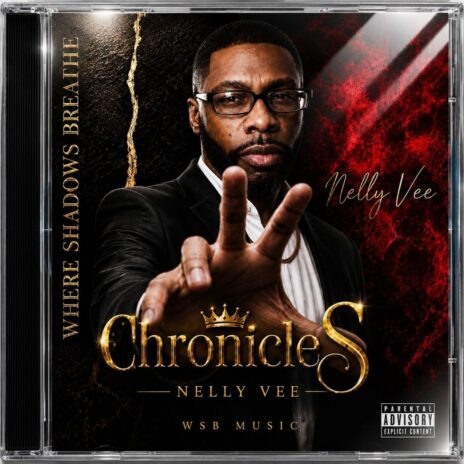
For KVI founder Nelly Vee, who was raised in Tortola, this subject is more than travel writing. It is part of home. This feature looks beyond resort menus and into foods and traditions that have long mattered to people of the Virgin Islands.
Territorial dish
Fish and Fungi: Where Tortola’s food story begins
The clearest place to begin is fish and fungi, officially recognized by the Government of the Virgin Islands as the Territory’s dish. The government’s published recipe pairs seasoned firm white fish with fungi made from yellow cornmeal and okra. The fish is simmered with ingredients including onion, tomato, vinegar, citrus and seasoning, while the fungi is cooked until smooth and firm enough to hold its shape.
This is not simply a plate with an official title attached to it. Virgin Islands cultural materials connect fish and fungi to the fishing culture of earlier generations. Long before imported foods filled modern supermarket shelves, the sea was livelihood, transportation, survival and dinner.
What exactly is fungi?
In the Virgin Islands, fungi is not a mushroom dish. It is a cornmeal preparation traditionally made with okra. Cornmeal is slowly worked into boiling liquid and stirred as it cooks, producing a smooth, substantial side that pairs especially well with seasoned fish and its juices. The spelling may make first-time visitors pause, but Virgin Islanders know exactly what is meant when fungi is on the table.
Why the dish matters
Fish and fungi carries geography on the plate. The fish speaks to island waters and fishing traditions; the fungi speaks to resourcefulness, staple grains and the way Caribbean cooks build flavor and substance from humble ingredients. Together, they tell a story that is larger than a recipe.
Beyond the national dish
The everyday foods that fill out the Tortola table
Johnnycakes
Fried breads that are filling, portable and flexible enough to appear at breakfast, beside saltfish or as a quick meal on the move. The BVI Tourist Board has highlighted johnnycakes and patties as Tortola staples.
Saltfish, peas soup & stewed mutton
Traditional food fairs have highlighted saltfish, peas soup, stewed mutton, fish in mayonnaise sauce and other dishes that show how broad Virgin Islands cooking is beyond seafood alone.
Coconut tart & sweetbread
Coconut tart, sweetbread, coconut bread and sugar cakes belong to the island’s baking tradition. Recipes often vary from family to family, which is exactly how living food culture works.
Maubi, ginger beer & limeade
Traditional drinks tend to keep the personality of their ingredients: maubi can be bitter and distinctive, ginger beer announces itself with spice, while lime and tamarind stay bright and tart.
Explore foods featured at a Virgin Islands Cultural Food Fair ↗

Food is only part of the story
Fungi music, storytelling and community
In the British Virgin Islands, fungi is not only food. Fungi music is part of the Territory’s cultural identity as well. Government cultural materials describe fungi music as original Virgin Islands music and connect it to African heritage and the blending of different sounds.
Official cultural events have also featured storytelling, fungi bands, plait-pole dancing, fashion, spoken word, visual arts, pottery and historical reenactments. Culture survives through participation: it has to be cooked, played, spoken, danced, taught, debated, laughed about and handed to somebody younger.
The same is true of recipes. A written ingredient list can tell you how much cornmeal goes into a pot. It cannot fully explain how someone learns to recognize the right texture by sight, sound or the resistance of the spoon. That part of culture travels person to person.
Emancipation and cultural memory
Virgin Islands cultural identity is inseparable from history. Official BVI cultural materials connect Emancipation observances with the abolition of slavery in the British Caribbean and with traditions that preserve the Territory’s historical memory. Food, music, pageantry and public celebration therefore carry meanings that go beyond entertainment.
The sea is part of the culture
Fishing traditions, inter-island travel, boating and the historic Virgin Islands sloop belong to the wider cultural picture. On islands surrounded by water, the sea shaped how people moved, worked, traded, visited neighboring islands and ate.
A personal connection
Raised in Tortola: why this story is personal
For Nelly Vee, Tortola is not an island discovered through a vacation brochure. It is where he was raised. That distinction matters when writing about Caribbean culture. There is a difference between observing a place and carrying part of it with you.
This Caribbean Kitchen series follows that principle: respect the specific island, respect the people who made the food, and do not flatten the Caribbean into one generalized culture.
What visitors should understand about Tortola food
If you visit Tortola looking for “authentic Caribbean food,” do not judge authenticity by how expensive the restaurant is or how dramatic the plate looks. Some of the foods most connected to local life are straightforward: fish, fungi, johnnycakes, saltfish, soup, stewed meats, bread, tart and a cold local drink.
Ask what people actually eat. Pay attention to bakeries, food fairs, community events, small local kitchens and the dishes people mention without needing a tourist brochure to explain them.
The Tortola table is a cultural archive
Food preserves history in a form people can still touch. Cornmeal and okra become fungi. Fresh fish becomes the centerpiece of the Territory’s table. Flour becomes johnnycake. Coconut becomes tart. Ginger, tamarind, lime and maubi become drinks that remain recognizable across generations. The result is more than cuisine. It is a record of adaptation, African-Caribbean heritage, fishing life, family practice, celebration and survival.
Continue the Caribbean Kitchen series
Join the conversation
If you are from Tortola or elsewhere in the British Virgin Islands, which traditional food immediately takes you back home—fish and fungi, johnnycake, saltfish, peas soup, coconut tart, or something your family made that never appeared on a restaurant menu? Add your voice in the comments. Caribbean food culture is strongest when the people who lived it help document it.
References and further reading
Government of the Virgin Islands — Territorial Dish: Fungi and Fish ↗
Government of the Virgin Islands — Cultural Food Fair, Book and Art Expo ↗
Government of the Virgin Islands — Culture and Tourism Month ↗
BVI Tourism — Tortola local food reference: johnnycakes and patties ↗
Share this:
- Share on Facebook (Opens in new window) Facebook
- Share on X (Opens in new window) X
- Share on LinkedIn (Opens in new window) LinkedIn
- Share on Pinterest (Opens in new window) Pinterest
- More
- Share on Reddit (Opens in new window) Reddit
- Share on X (Opens in new window) X
- Share on Tumblr (Opens in new window) Tumblr
- Share on Threads (Opens in new window) Threads
- Share on Telegram (Opens in new window) Telegram
- Share on WhatsApp (Opens in new window) WhatsApp
- Print (Opens in new window) Print
- Email a link to a friend (Opens in new window) Email
- Share on Mastodon (Opens in new window) Mastodon
- Share on Nextdoor (Opens in new window) Nextdoor
- Share on Bluesky (Opens in new window) Bluesky